The Method
The Vector Legal Method: one lawsuit, 163 facets
The Vector Legal Method breaks a lawsuit into 163 defined facets and gives every matter the same structure. Your team knows where each document, deadline, task, hour and dollar belongs. Each matter looks familiar the moment you open it.
01 — What is a facet?
What is a facet?
A facet is one defined part of a lawsuit. It might be a complaint, an opposing party, a set of interrogatories, a pending motion, a key witness, a retained expert, a response date, a phase budget or a single task.
Each facet holds the information that belongs to it: the related documents, dates, tasks, time and cost. When every matter uses the same facets, you can compare lawsuits side by side and see quickly what is missing.
Facet card · Pleadings · sample matter (fictional)
Complaint filed
Breach of contract and negligence claims over damaged cabinetry shipment.
- Documents
- Complaint; shipping agreement
- Dates
- Linked deadline: opposition due Mar 12, 2027, 5:00 PM
- Tasks
- Draft opposition brief (associate)
- Time
- Booked to the Pleadings & motions phase
- Cost
- Phase budget $18,000 · actual $20,700
02 — Why one structure
Why use the same structure for every matter?
- Nothing falls between systems. Documents, deadlines, tasks and budget are tied to the same facet, not spread across separate tools.
- Handoffs are easier. A new associate or paralegal joining a matter finds the same layout they used on the last one.
- Gaps show up. An empty facet is visible. For example, an expert with no disclosure date or a discovery phase with no budget line.
- Status reports have a backbone. An update to a client or general counsel can follow the facets instead of starting from a blank page.
03 — Facet groups
The ten sample facet groups
The full Vector Legal Method covers 163 facets. The Method Lab shows a sample of them, arranged in ten groups, so you can try the structure in a few minutes:
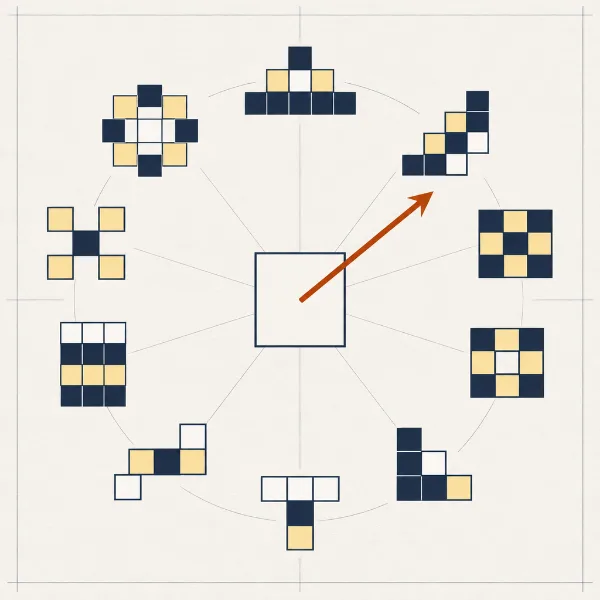
- Pleadings: complaint, answer, amendments and other pleadings that frame the case.
- Parties & Counsel: who is involved on each side and who represents them.
- Discovery: requests, responses, document productions and depositions.
- Motions: motions filed or planned, with their status.
- Witnesses: fact witnesses and what each one knows.
- Experts: retained experts, their subjects and disclosure status.
- Deadlines: the dates the matter runs on, entered by you.
- Budget & Time: budget by phase, with actual time and cost.
- Tasks: the next actions and who owns them.
- Status & Reporting: where the matter stands and what to tell the client or general counsel.
The Lab is a sample. It does not include all 163 facets.
04 — Direction and magnitude
Direction and magnitude: how facets connect
A vector has a direction and a magnitude. The method uses both ideas:
- Direction is the next step. Tasks and deadlines attach to facets, so each part of the matter points to what happens next.
- Magnitude is the cost and the variance. Budget and actual time attach to phases and facets, so you can see where the matter is over or under plan, in dollars and percent.
Direction · sample matter (fictional)
Motions — Opposition to motion to dismiss
→ Task: draft opposition brief (associate)
→ Deadline: Mar 12, 2027, 5:00 PM
Magnitude · Pleadings & motions phase (fictional)
Variance +$2,700 (+15.0%) · Over budget
In the Method Lab, a deadline can link to a facet card, a task from the Next-Step Planner can land on the Facet Board, and the Status Update Drafter reads the board, the deadlines and the budget together.
05 — Who uses it
Who uses the method
- Litigation attorneys carrying many active lawsuits who need to see each matter's position and next deadline at a glance.
- Firm litigation teams (partners, associates, paralegals and litigation support) who want one structure the whole team follows.
- Corporate legal departments (in-house counsel who manage outside counsel and litigation budgets) who need budget vs. actuals and clear status updates.
06 — Limits
What the method doesn't do
- It doesn't calculate deadlines from court rules. You enter the dates, and you verify them against the applicable rules and court orders.
- It doesn't give legal advice. The AI drafts and the attorney reviews.
- It doesn't replace your judgement about a case. It gives that judgement a consistent place to work.
07 — Try it
See it on a sample matter
Load the sample matter, move a few facet cards, add a deadline and check the budget variance. It takes a few minutes, and you don't need an account.